Weight Loss Pen vs Syringe: Which Is Best for You?

Weight Loss Pen and Syringe Comparison

Starting a weight loss journey can feel overwhelming, especially with the variety of treatment options available today. For many women, medically guided solutions like weight loss injections have become an effective way to support long-term results and improve overall health. However, understanding how these treatments work, including the difference between a weight loss pen vs syringe, can help you feel more confident and prepared. From how to use a weight loss pen to learning how to use a weight loss syringe, each method plays a role in your success. In this blog, we’ll explore these options and how they support your weight loss journey.

Understanding Weight Loss Injections and Their Role

Weight loss injections, particularly those involving GLP-1 medications such as semaglutide or tirzeptaride injections, are designed to support appetite control, improve metabolic function, and regulate calorie intake. These treatments work by influencing how the body processes food, helping women feel fuller longer and supporting steady weight loss. Many women also want to understand stress, cortisol, and glp 1 medications, what impacts weight loss results while learning how these treatments support steady progress.

The method of injection plays an important role in the overall experience. While the medication itself is key, the delivery system, whether a pen device or a syringe, can influence ease of use, precision, and comfort. In a professional setting, both options are carefully selected based on the patient’s needs, lifestyle, and treatment plan. Understanding these options helps women feel more confident and informed as they begin or continue their weight loss journey.

Read More: Tirzepatide vs. Semaglutide: Key Differences & Benefits

Weight Loss Pen vs Syringe: What’s the Difference?

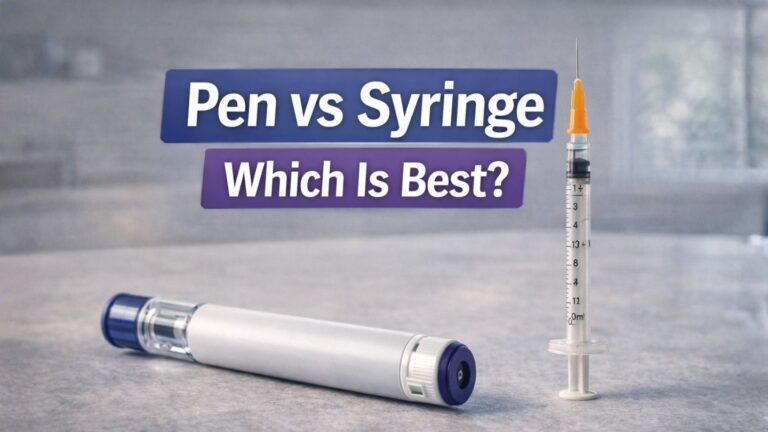
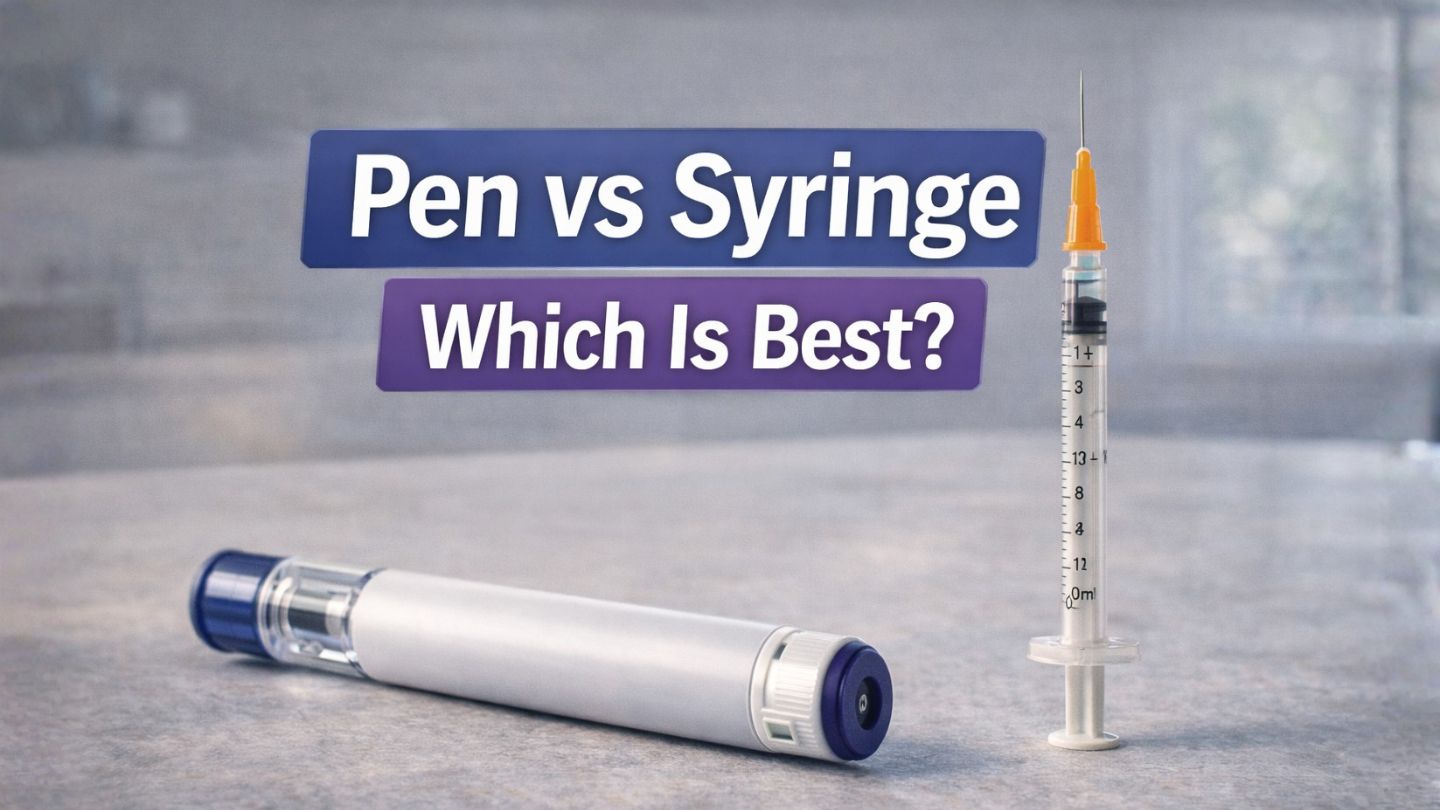
When comparing the weight loss pen vs syringe, the primary difference lies in how the medication is delivered. A pen device, often referred to as a prefilled pen, is designed for simplicity and ease of use. It typically contains a pre-measured dose of medication, allowing for a more straightforward injection process.

On the other hand, a syringe, such as an insulin syringe or prefilled syringe, requires drawing the medication before administering it. While this method offers flexibility in dosing, it may require more precision and familiarity with injection techniques.

The difference between a weight loss pen and a syringe often comes down to user preference and medical guidance. Some individuals prefer the convenience of a pen, while others benefit from the customization offered by a syringe. In both cases, professional supervision ensures that the method aligns with the treatment plan and delivers consistent results.

How to Use a Weight Loss Pen

For those exploring how to use a weight loss pen, it’s important to understand that this method is designed to simplify the injection process. A pen device uses pen needles that are attached before administration, making the process more streamlined.

The design of an insulin pen or similar device allows for precise dosing without the need for manual measurement. This reduces uncertainty and helps ensure that the correct amount of medication is delivered each time.

In a medical weight loss program, patients are guided through proper usage, including how to handle pen needles, how to prepare the injection site, and how to follow prescribing information. This professional instruction ensures that every injection is administered correctly and comfortably.

How to Use a Weight Loss Syringe

Understanding how to use a weight loss syringe involves a slightly different process. A syringe requires drawing the correct dose of medication, which may involve using an insulin syringe for accurate measurement. This method offers flexibility and is often used in cases where individualized dosing is necessary. However, it also requires careful handling and attention to detail to ensure accuracy.

With professional guidance, patients learn how to prepare the syringe, measure the medication, and administer the injection safely. This ensures that the process remains effective and aligned with their weight loss plan.

Read more: Tirzepatide Dosing for Weight Loss: How Much Do You Need?

Syringe vs Weight Loss Pen: Which Is Right for You?

Choosing between a syringe vs weight loss pen depends on several factors, including comfort level, lifestyle, and treatment requirements. For women who are just getting started, a beginner’s guide to non-surgical weight-loss procedures, including what to expect, can also make the decision process feel clearer and more approachable. Both methods are effective when used correctly, but the right choice is best determined through professional consultation.

A pen may be ideal for those who prefer convenience and simplicity (along with insurance coverage), while a syringe may be recommended for patients who require more tailored dosing. In either case, the goal is to ensure that the method supports consistency, accuracy, and overall success in the weight loss journey.  The most major drawbacks to the pen have been dosing flexibility, but the new qwick pen for tirzepatide changes this dynamic.

Medical weight loss programs evaluate these factors carefully, ensuring that each patient receives a personalized approach that aligns with their goals and preferences.

The Role of Professional Guidance in Injection-Based Treatments

While understanding the difference between a weight loss pen and a syringe is important, the most critical factor is professional guidance. Injection-based treatments require proper technique, timing, and monitoring to ensure optimal results.  An obesity medicine specialist can help with the best dosing interval to reduce side effects and achieve desired results.

Medical professionals provide detailed instructions on insulin delivery methods, including how to use pen needles, insulin pen needles, and syringes effectively. They also monitor progress, adjust treatment plans, and ensure that every aspect of the program supports long-term weight management. This kind of support is especially valuable for women who want to follow effective weight-loss management strategies for a healthy lifestyle while staying consistent with their treatment.

This level of care eliminates guesswork and provides patients with the confidence they need to stay consistent and achieve their weight loss goals.

Read more: What is Obesity Medicine?

Supporting Your Weight Loss Journey with Advanced Treatments

Weight loss injections are not just about delivering medication; they are part of a comprehensive approach to improving health, metabolism, and body composition. For many women, this also includes understanding how weight loss affects cholesterol levels, as part of a broader focus on long-term health improvements. When combined with personalized care, these treatments support sustainable weight loss and long-term success.

From understanding how to use a weight loss pen to learning how to use a weight loss syringe, every step of the process is guided by professionals who prioritize safety, comfort, and effectiveness. This approach ensures that patients not only achieve their desired weight but also maintain their results over time, creating a more balanced and confident lifestyle.

Building Confidence and Consistency in Your Weight Loss Plan

Consistency is one of the most important factors in achieving lasting weight loss. It can also be helpful to learn how to set smart weight-loss goals and achieve them when building a plan that feels realistic and sustainable. By choosing the right injection method and following a structured plan, women can stay on track and see meaningful progress.

Professional guidance plays a key role in building this consistency. With expert support, patients can navigate their treatment with ease, understanding each step and feeling confident in their approach. Whether using a pen or a syringe, the focus remains on creating a sustainable plan that supports long-term weight management and overall well-being.

Read more: How Online Weight Loss Programs Work

Conclusion

Understanding the difference between a weight loss pen vs syringe gives you the clarity and confidence to choose the approach that truly supports your goals. Whether you’re learning how to use a weight loss pen or how to use a weight loss syringe, the right guidance makes the process more comfortable, consistent, and results-driven. With the right method and a structured plan, your weight loss journey becomes more focused, effective, and sustainable.

I work closely with women to create personalized plans that combine the right injection methods with expert guidance, ongoing support, and a deeper focus on long-term success. From medical weight loss to non-surgical weight loss, weight loss nutrition, weight loss management, and women’s weight loss injections, every step is designed to support real progress. If you’re ready to move forward with a more structured and guided approach to weight loss for women in Spokane, you can do it with clarity, confidence, and the right support behind you. Contact today and take the first step toward real results.


The keto diet has become one of the most talked-about approaches to weight loss, with many women wondering if it truly delivers lasting results. From reducing carbs to shifting the body into ketosis, the ketogenic diet promises a different way to manage weight and burn fat. But does the keto diet work for weight loss in a sustainable and effective way? Understanding how this diet impacts metabolism, energy levels, and long-term weight management is essential before making a decision. In this blog, we’ll explore how the keto diet works and whether it fits into a professionally guided weight loss journey.

Understanding the Keto Diet and How It Works

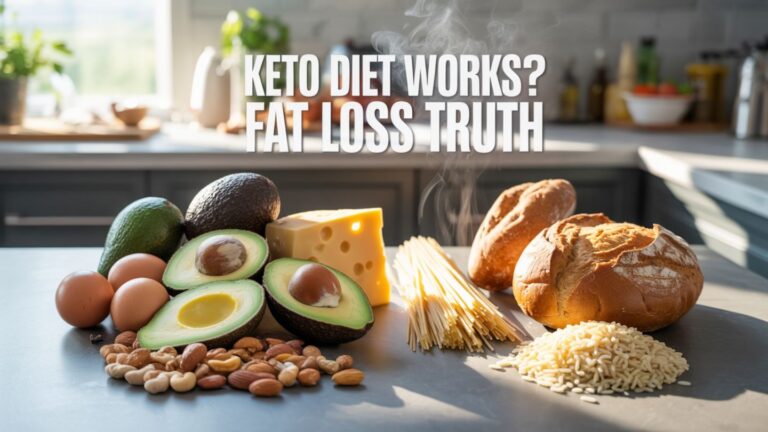
The keto diet, also known as the ketogenic diet, is a low-carbohydrate, high-fat diet designed to shift the body into a metabolic state called ketosis. In this state, the body begins to use fat as its primary source of energy instead of carbohydrates. For those comparing nutritional strategies before committing to a plan, understanding the differences between a keto diet and plant-based diets can offer a helpful perspective on how each approach supports the body differently.

When carbohydrate intake is significantly reduced, the body produces ketone bodies, which serve as an alternative fuel source. This process can lead to changes in how the body stores and burns fat, contributing to weight loss. Many individuals exploring keto weight loss are drawn to this shift in metabolism. However, understanding how keto works for weight loss requires looking beyond the surface. The effectiveness of this diet depends on how well it aligns with your body’s needs and overall weight management goals.

Read More: What Macronutrients Are Right for Weight Loss?

Does Keto Work for Weight Loss?

The question does keto works for weight loss often comes down to how the body responds to changes in diet and metabolism. The ketogenic diet for weight loss can influence fat loss by encouraging the body to burn stored fat for energy.

In the short term, many individuals may notice changes in body weight as the body adapts to reduced carbohydrate intake. This shift can support fat loss and changes in body composition. Because every weight loss journey is different, looking at the top types of diets for your weight loss goals can help put keto into a broader context of medically informed options.

However, weight loss is a complex process that involves more than just dietary adjustments. Sustainable results require consistency, proper nutrition, and a plan that supports long-term weight management. This is where professional guidance becomes essential.

Read more: What is a Calorie Deficit, and How Can I Create One for Healthy Weight Loss?

The Role of Ketosis in Fat Loss

Ketosis is the defining feature of the keto diet. When the body enters this state, it relies on fat for energy, which can contribute to fat loss over time. This process may help reduce body fat and support changes in body weight. In addition to reducing carbohydrates, some women also explore nutrient-dense foods and simple ways of incorporating flaxseeds into their diet to lose weight as part of a more supportive nutrition routine.

The reduction in carbs plays a significant role in initiating ketosis. By limiting carbohydrate intake, the body is encouraged to shift its energy source, leading to increased fat utilization.

While ketosis can support weight loss, it is important to recognize that maintaining this state requires strict adherence to the diet. This level of restriction can make it challenging for many individuals to sustain over time without professional support.

Keto Diet and Weight Loss: What Women Should Know

For women, weight loss is influenced by factors such as hormones, metabolism, and lifestyle. The keto diet and weight loss may work differently for each individual depending on these factors.

The ketogenic diet emphasizes high-fat intake, including sources of saturated fat, while significantly reducing carbs. This approach can impact energy levels, appetite, and overall weight management.

However, relying solely on a restrictive diet may not address all aspects of weight loss. A comprehensive approach that includes medical weight loss strategies, personalized care, and professional monitoring ensures that results are both effective and sustainable.

Comparing Keto to Other Weight Loss Approaches

When comparing the keto diet to other approaches, such as a low-fat diet or medically guided programs, it becomes clear that no single diet works for everyone. The effectiveness of any diet depends on how well it supports your body’s needs and long-term goals, along with your ability to sustain the dietary changes.  Research on keto diets is difficult to capture in longitudinal (long term) studies as many patients struggle to maintain the rigorous dietary demands of the keto diet. 

A low-fat diet focuses on reducing fat intake, while the keto diet emphasizes high-fat consumption. Both approaches can influence weight loss, but they require careful planning and consistency.  However, this many only reduce weight as we do not have long term results on the effectiveness of changes morbidity and mortality of this specific diet due to the difficulties ins studying this

Medical weight loss programs, on the other hand, provide a personalized approach that considers your metabolism, lifestyle, and overall health. This ensures that your weight loss journey is tailored to your needs rather than relying on a one- size-fits-all diet. For women who want a less restrictive structure, understanding how a flexitarian diet can help you lose weight may offer a useful contrast to the stricter demands of keto.

The Importance of Professional Guidance in Weight Loss

While the keto diet for weight loss can offer certain benefits, professional guidance plays a critical role in achieving long-term success. Weight loss is not just about following a diet—it’s about creating a plan that supports your body and adapts to your needs over time.

Medical weight loss programs provide expert support, helping women navigate their weight loss journey with confidence. These programs focus on optimizing metabolism, managing calorie intake, and supporting overall health. By working with professionals, women can avoid common challenges associated with restrictive diets and develop a sustainable approach to weight management.

Moving Beyond Restrictive Diets

The keto diet is often considered a restrictive diet due to its limitations on carbohydrate intake. While this approach can lead to short-term results, long-term success requires a more balanced and adaptable strategy. A more sustainable mindset often includes learning how to lose weight without dieting, especially when long-term success depends on consistency rather than rigid food rules.

Weight management is about creating habits that can be maintained over time. This includes understanding how different foods impact your body, how to manage calorie intake, and how to support overall health. A medically guided approach ensures that your weight loss journey is not only effective but also sustainable, helping you achieve lasting results without relying solely on restrictive diets.

Read more: Reasons Why Restricting Calories Can Be Dangerous for Your Health

Building a Sustainable Weight Loss Plan

Sustainable weight loss involves more than just following a specific diet. It requires a comprehensive approach that includes personalized care, professional guidance, and a focus on long-term results.

By combining advanced medical treatments with structured nutrition plans, women can achieve meaningful progress in their weight loss journey. This approach supports fat loss, improves body composition, and enhances overall well-being. Understanding how the keto diet fits into this broader strategy allows women to make informed decisions about their health and weight management goals.

Conclusion

Understanding whether the keto diet works for weight loss helps women make more informed and confident decisions about their health. While the keto diet for weight loss can shift the body into ketosis and support fat loss, long-term success depends on a more structured and personalized approach. When weight loss is guided with the right strategy, support, and consistency, it becomes more sustainable, effective, and aligned with your overall goals.

I work closely with women to create personalized plans that go beyond restrictive diets and focus on long-term success. Through medical weight loss, non-surgical weight loss, weight-loss nutrition, weight-loss management, and women’s weight-loss injections, I provide a comprehensive, guided approach designed to deliver real results. If you’re ready to experience a more balanced and personalized path to holistic weight loss in Spokane, you can move forward with clarity, confidence, and the right support behind you. Contact today and take the first step toward lasting results.

Picture of Dr. Kerry Traugott, DNP
Dr. Kerry Traugott, DNP

Kerry Traugott, DNP is a Doctor of Nursing Practice and nurse practitioner dedicated to providing compassionate, evidence-based healthcare for women in Spokane, WA. At our women-centered primary care and weight loss clinic, she partners with patients to deliver personalized care that supports long-term health, wellness, and confidence. Her approach combines advanced clinical expertise with a commitment to helping women feel heard, understood, and empowered throughout their healthcare journey.

Table of Contents

About me
Kerry Traugott, DNP specializes in holistic weight loss for women
FREE Consultation
Popular post